Understand France. Speak Real French.
You’ve put in the work, and your French shows it. You can hold a conversation, manage everyday situations and make yourself understood.
Yet something is still missing. French films move too fast. You miss a joke at dinner or a cultural reference everyone else seems to understand. You are present, but not quite in.
The gap is rarely just about grammar. It’s about everyday spoken French: its rhythm, its registers, the expressions people use without thinking, and the cultural codes that shape real conversations.
That’s why I created Speak Real French: to help intermediate and advanced learners understand not just the words, but what French people really mean.
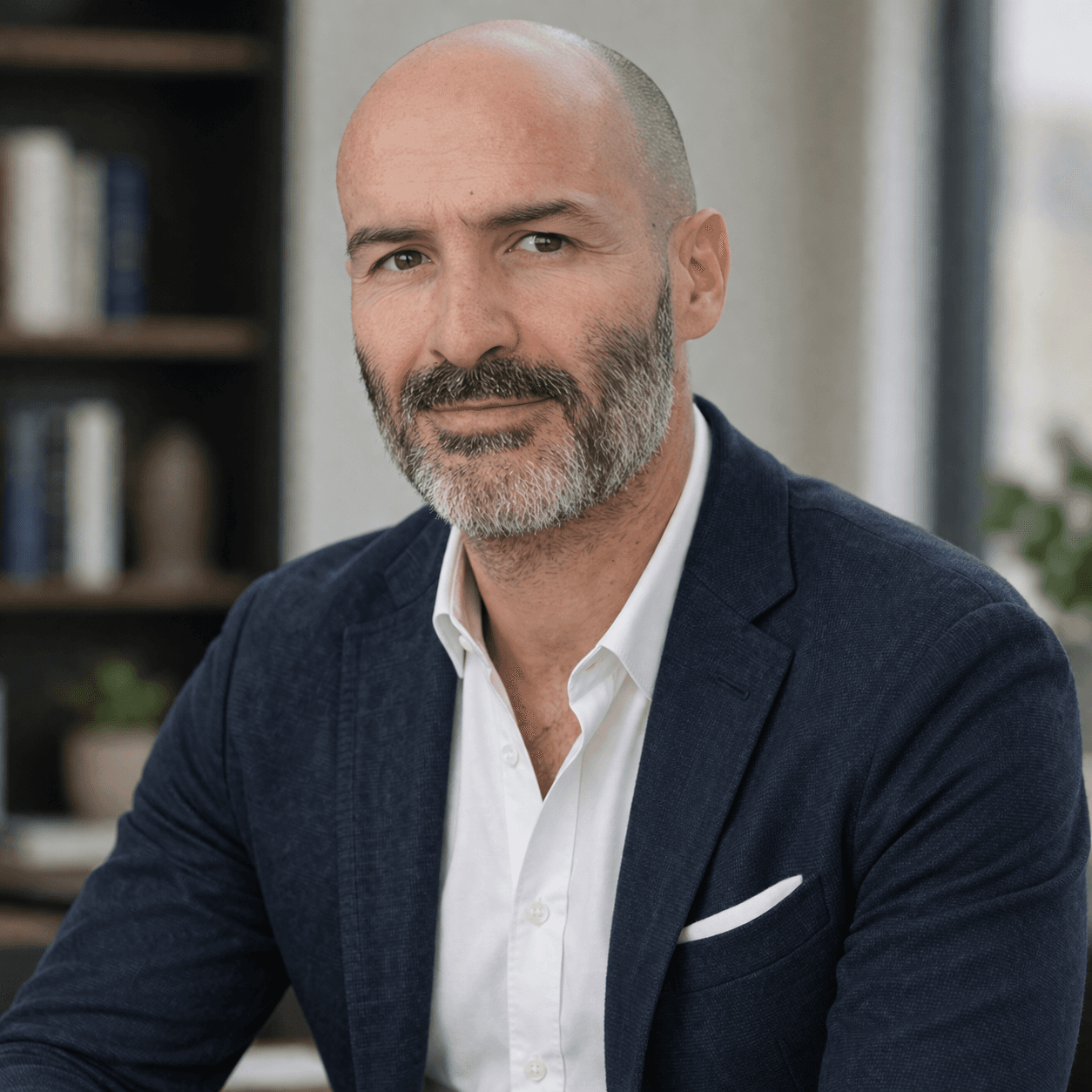
I’m Pierre, a language teacher, author of more than fifty educational books and director of two language education companies.
France, Explained
Understanding France from the Inside
France, Explained is an audio series for intermediate / advanced French learners and expats who want to understand French culture, customs and society beyond the language itself. Each module explores a subject that matters to anyone living in, working in or simply curious about France, and unpacks it the way a knowledgeable friend would.
Speaking French is only half the story. Understanding how France works makes all the difference in real conversations: what people imply, what they leave unsaid, how they react, what they refer to.
More than a language lesson or a culture guide: a closer look at the unwritten rules of everyday life in France.
The Speak Real French Podcast
A free podcast for intermediate French learners who want to understand everyday spoken French: real expressions, cultural context and listening practice, without feeling like they’re back in the classroom.
Each episode explores one word, one expression or one question of register, and breaks it down the way a good coach would: what it means, when people use it, what it implies and what happens when you get it wrong.
Short enough for a commute. Substantial enough to matter.
Podcast artwork
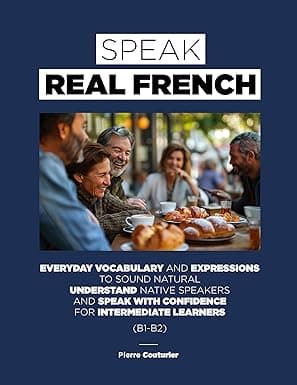
The Book — Speak Real French
The expressions intermediate French learners miss, and why they matter.
J’ai la flemme. C’est chelou. Du coup. Bah. En vrai.
Everyday French is full of words and expressions that rarely appear in traditional lessons, yet you hear them all the time in real conversations.
This practical guide explores what these expressions mean, when to use them, and how differences in register can change the way your words are received.
Because knowing the words is only the first step. Knowing when and how to use them is what separates sounding natural from sounding almost natural.

One-to-one Coaching
From correct to natural. Personalised, practical and built around your needs.
You can speak French, and online French coaching helps you go further: finding the right words, following informal conversations and expressing yourself as naturally as you would like.
Each weekly 45-minute session is shaped around what matters most to you: understanding spoken French, choosing the right register, improving your pronunciation or feeling more at ease in everyday and professional situations.
No fixed curriculum. Just real conversation, practical explanations and detailed feedback, with short exercises to help you build on each session.
For intermediate, upper-intermediate and advanced French learners (B1–C1) who want to go beyond being understood. Places are limited, and your first 30-minute session is free.
From the Blog
Weekly reflections on the French lifestyle and language.
French Baccalaureate: 5 Advanced French Verbs
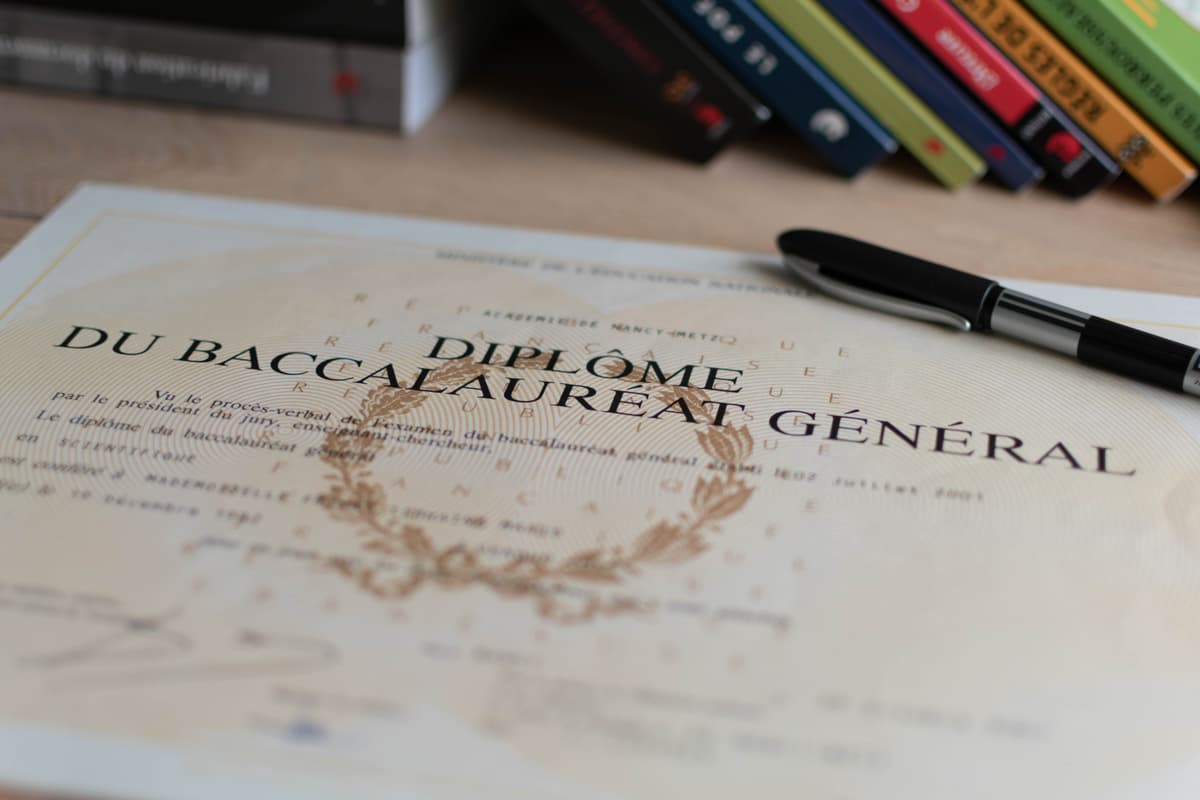
A single word in the 2026 French baccalaureate exam sparked a debate among students. What does sous-tendre mean, and why did it cause such confusion? This episode explores five advanced French verbs that are useful far beyond the classroom, from the press to professional discussions.
What does "chaud" mean in French? 6 everyday uses
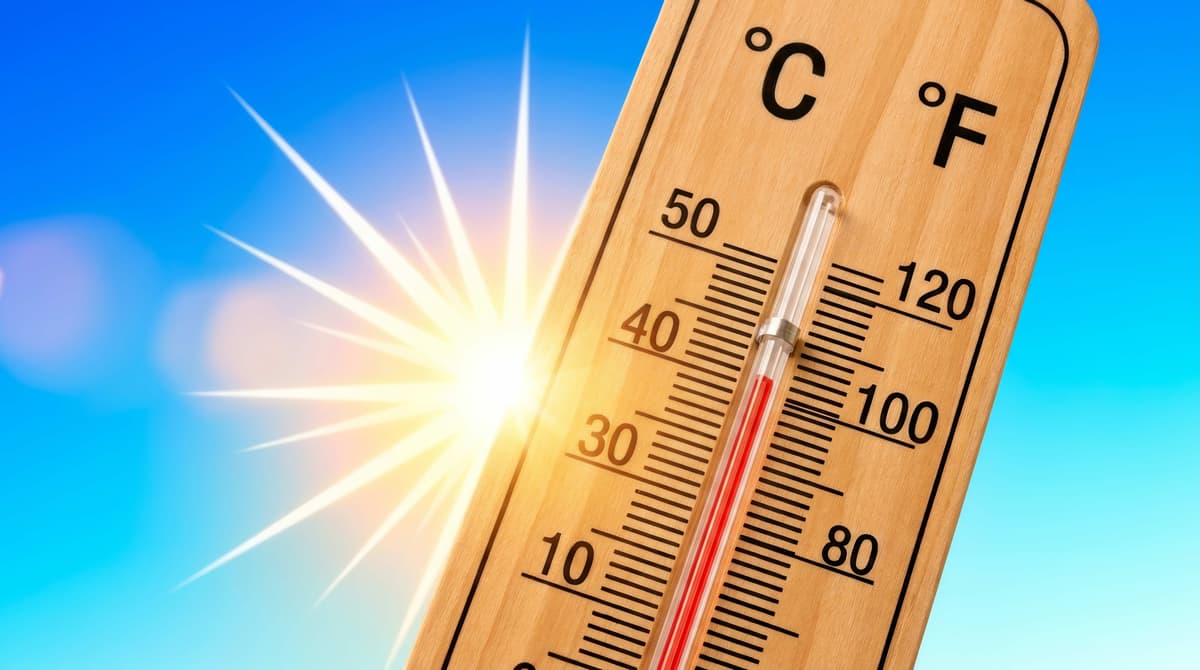
You probably learned that chaud means "hot" or "warm". But what does it mean when a French friend says Je suis chaud or Ça va être chaud? Discover how this familiar adjective changes meaning depending on the situation, from enthusiasm to difficulty, danger and even romance.
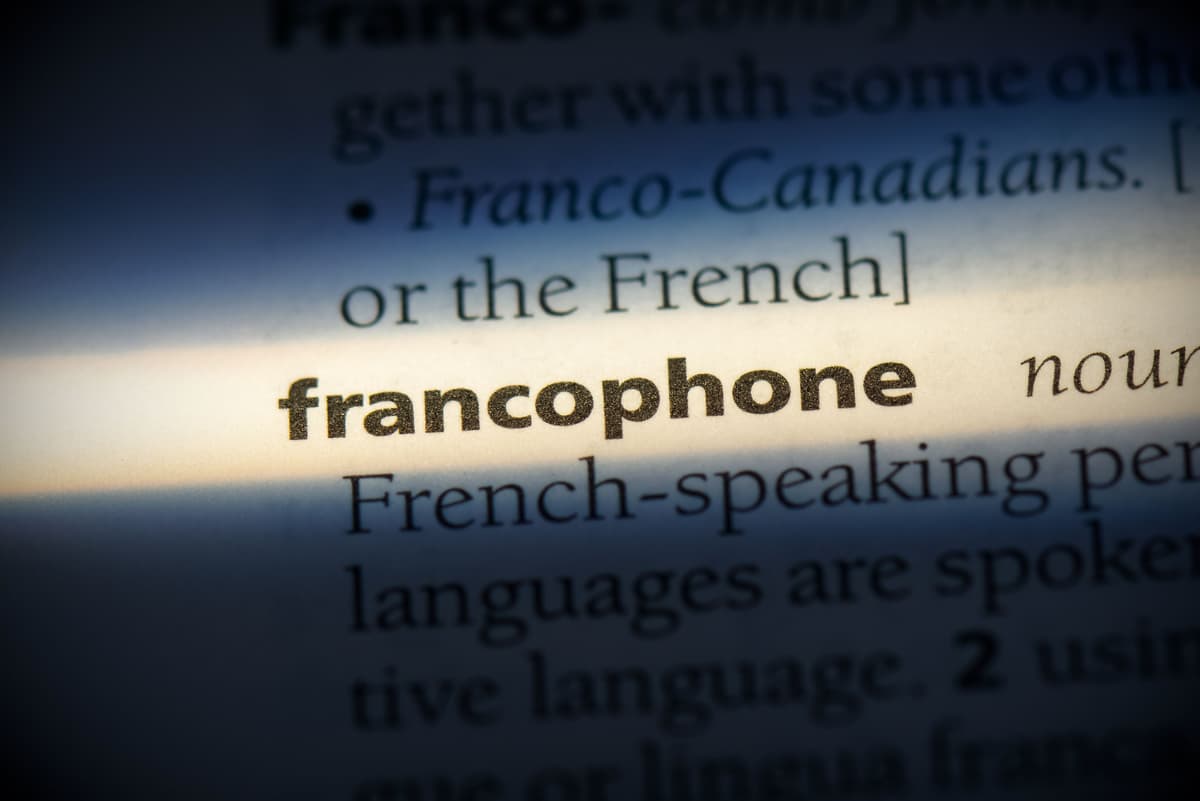
Francophone vs Francophile vs Francisé: differences explained
Can you be a francophile without speaking French? And what exactly makes someone francophone? These three similar-looking words describe very different relationships with the French language and culture. Discover their meanings through examples from France, Quebec and the wider French-speaking world.
What Students Say.
Voices from our community of dedicated adult learners navigating the nuances of the French mind.
“I took weekly lessons with Pierre and he always found the right materials to make me want to speak more and more. I really miss teaching French to my classes and I really enjoyed our lessons. ”
Renee
Retired teacher, Palm Springs
“We had a menu in French but taking an order is one thing. Engaging with the clients in French immediately creates a better relation. Pierre helped me improve my French to ask the right questions and make my clients feel more welcome. ”
Doug
Restaurant manager
“My husband and I have decided to spend some time in France for our early retirement. I wanted to be able to talk to people, to socialize, to understand jokes... I learned French when I was younger but it's a matter of consistency and it pays off. The more you listen, the more you speak, the easier it gets. ”
Natalya
Retiree, San Francisco
Stay in the loop.
One email when something new goes live — a module, a podcast episode, or a useful piece of writing. No spam, no filler.